



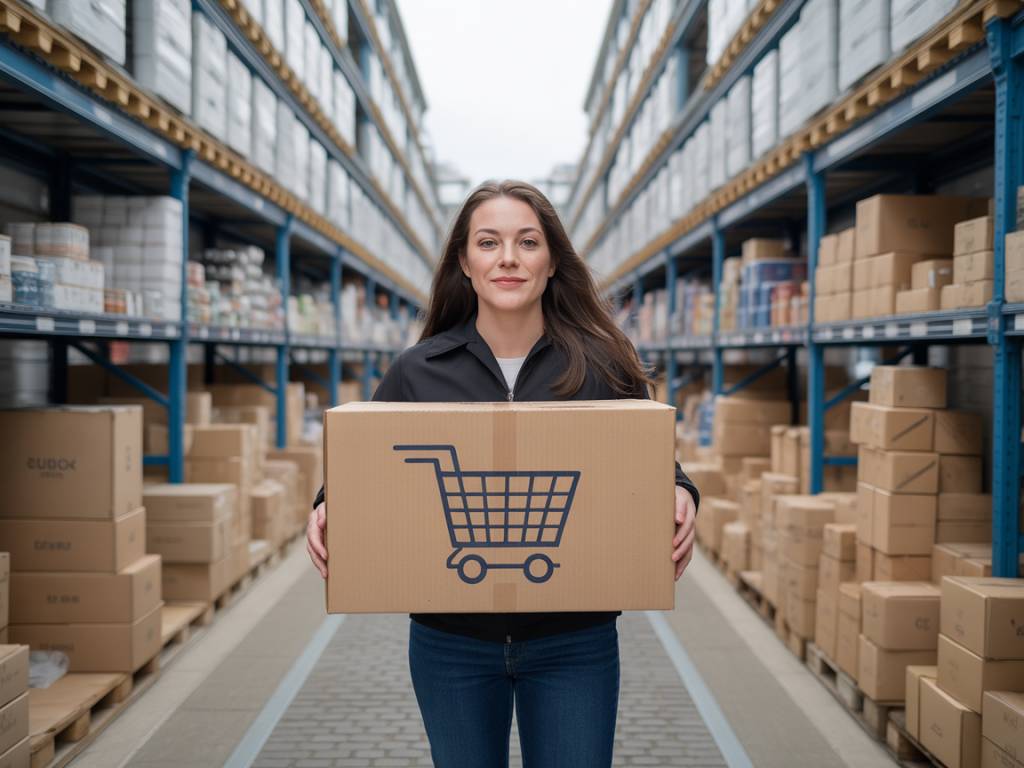

The Ecommerce Boom: More Than Just Next-Day Delivery
There’s no denying it: ecommerce in the UK isn’t just growing – it’s exploding. From lockdown-fuelled surges to a fundamental shift in consumer behaviour, purchasing online has become second nature to millions. But for those of us in logistics and supply chain management, this spectacular growth is a bit like watching someone throw a party in your living room – thrilling, yes, but also chaotic without the right setup.
In 2023 alone, UK ecommerce sales totalled over £120 billion, a figure that shows no signs of slowing. With that surge comes pressure on the distribution networks that make online retail tick. So, where does all that growth leave us? Right in the thick of a distribution revolution.
From High Streets to High-Capacity Warehouses
Let’s start with the obvious: traditional distribution models weren’t designed for this pace – or this volume. Ecommerce demands real-time, ultra-flexible logistics. Retailers are under immense pressure to slash delivery times while keeping costs (and returns) under control. Enter stage left: automated warehouses, regional fulfilment centres, and micro-hubs, popping up faster than Amazon delivery vans on a Sunday morning.
Gone are the days when one enormous, central depot could handle it all. Today’s ecosystem is decentralised, reconfigurable, and tech-powered. The new battleground? Proximity to the customer. Next-day delivery used to be a premium; now, it’s baseline expectation – and for some sectors, even that feels slow.
Dark Stores and Urban Logistics: The New Frontline
One response to this demand has been the rise of ‘dark stores’ – retail locations repurposed as local distribution centres, often invisible to the public eye. These allow retailers to fulfil online orders faster by being closer to urban populations. Think of them as the Robin Hoods of retail: taking from the high street and redistributing efficiently.
Similarly, urban logistics is having its moment in the spotlight. Navigating within city limits is always trickier – traffic, limited access, environmental regs – but it’s precisely where demand concentrates. Logistics companies are getting creative: electric cargo bikes, consolidated deliveries, and even smart lockers are changing the urban landscape of delivery.
Still, this new model comes with challenges. Delivering to more homes, more frequently, and with tighter windows puts strain on both infrastructure and personnel. And let’s not even start on the nightmare that are returns – more on that in a minute.
Returns: The Retail Boomerang
If ecommerce sales are the sugar, returns are the toothache. In fashion alone, return rates can top 40%. And while customers might consider them a harmless click of a button, for logistics providers, they mean double the handling, complexity, and cost.
Returns reverse the typical flow of the supply chain. Warehouses built to ship out are now mini-processing plants for incoming items in all sorts of conditions. Smart logistics firms are implementing dedicated reverse logistics streams, using data to predict return volumes and pre-position stock accordingly. It’s not glamorous, but it’s essential – especially with sustainability targets in play.
The Tech That’s Powering the Change
The answer to these logistics headaches? Spoiler alert: a good dose of technology. Automation, AI, and predictive analytics are no longer luxury add-ons; they’re necessities. Here’s a short list of the heavy hitters helping to carry the weight:
- WMS & TMS Integration: With volumes soaring, warehouse and transport management systems need to talk – or scream – at each other in real time. Seamless integration means fewer delays and fewer mistakes.
- Data-Driven Demand Planning: AI is increasingly used to forecast demand spikes, be it Black Friday madness or weather-induced buying frenzies (yes, sunshine does sell sandals).
- Robotics & Automation: Robots don’t sleep or get paper cuts. Automated picking systems and drone inspections are making warehouses more efficient and scalable for spikes in ecommerce demand.
- Last-Mile Optimisation: Intelligent routing software ensures that delivery drivers use the most efficient routes, sometimes delivering in batches across grouped addresses to cut emissions and costs.
Sustainability: The Elephant in the Warehouse
Ecommerce and sustainability are – at best – uneasy bedfellows. More deliveries mean more packaging, more emissions, and more cardboard mountains on recycling day. But a greener future isn’t optional anymore; it’s embedded in regulatory frameworks and consumer expectations alike.
To meet the challenge, distribution networks are adapting. Some of the innovative (and surprisingly effective) strategies include:
- Green Warehousing: Facilities powered by renewable energy and designed for efficiency, with thermal insulation and smart lighting.
- Carbon-Neutral Deliveries: Carriers like DPD and Royal Mail have begun rolling out electric vehicle fleets to reduce their carbon footprint in last-mile operations.
- Return Consolidation: Initiatives encouraging customers to return multiple items in a single drop-off are helping reduce unnecessary journeys and handling time.
Labour and Talent: The Human Side of Growth
Amid all the shiny tech and sustainability metrics, we can’t forget the people. The accelerated rise of ecommerce has triggered acute labour shortages, particularly in warehouse operatives and HGV drivers. It’s not just about recruiting numbers – it’s about retaining talent in a tough, sometimes unforgiving sector.
Some companies are taking a proactive route, offering upskilling programmes, better working conditions, and even using wearables to monitor worker health and ergonomics. Yes, logistics has gone wearable – fitbits for forklifts, if you will.
And with Brexit still affecting the cross-border movement of goods and labour, UK-based businesses need to be even more strategic in developing local talent pipelines while automating where it makes sense.
The Future: Agile, Digital, and Customer-Led
So, where does all this growth point us? Towards a distribution model that’s agile, lean in lead time, and obsessed with the customer experience. The traditional linear supply chain is being replaced by a dynamic, circular and customer-led structure that’s as flexible as your yoga teacher during a caffeine detox.
With ecommerce giants raising consumer expectations sky-high, even smaller online retailers are being pushed to innovate – collaboration with 3PLs, real-time visibility platforms, demand-driven inventory models. The logistics frontier is becoming a lot more collaborative, and frankly, a lot more intelligent.
In short, those of us in logistics must not only keep pace with the ecommerce boom – we must anticipate it, outsmart it, and build networks resilient (and smart) enough to respond in real time. It’s demanding, yes. But for anyone passionate about logistics, it’s also one of the most interesting times to be in the game.
So, let’s keep our warehouse scanners charged, our dashboards data-driven, and our thinking future-forward. Because in the new world of ecommerce, distribution isn’t just a support function – it’s the heartbeat of retail.